JvH4848 heeft 124 reactie(s) geplaatst.
SCORE 8/10. Verleidelijk om bij deze film terug te denken aan mezelf in jaren na 1960, technisch voorgelicht over seks/liefde maar er verder nog niks van wetend, denkend dat je leeftijdsgenoten daar al veel verder mee zijn, weinig behulpzame katholieke geloofsleer, niks durven vragen aan ouders/leraren/priesters, en ga zo maar door. De meisjes op deze school anno nu zitten in dezelfde situatie. Hoewel er zogenaamd veel meer openheid is en ze op Internet alles kunnen opzoeken, blijkt ieders onkunde en onzekerheid in een onvermijdelijk truth/dare-spelletje. Ook kunnen klasgenoten een oogje op elkaar hebben maar het niet aan elkaar durven zeggen, iets wat hier een relevante rol speelt. We zien immers hoe onze hoofdpersoon Lucia heel veel optrekt met de wijzere Ana-Maria.
Dat alles wordt op geloofwaardige wijze verknoopt in een verhaal, dat je aandacht vasthoudt van begin tot eind met interessante ontwikkelingen. Zo steelt Lucia een shirt van een van de bouwvakkers die in het klooster aan het werk zijn, en geeft dat later aan hem terug terwijl hij in het bos aan het zwemmen is. Zo vragen Lucia en Ana-Maria aan een van de kloosterzusters hoe het is om zonder man te leven. Maar ook dat Lucia aan de muziekleraar vertelt dat ze denkt dat Ana-Maria verliefd is op haar.
Diezelfde muziekleraar laat haar later tijdens de les nogal bot weten dat ze weinig talent heeft en stuurt haar weg. Dit leidt overigens niet tot zelfmoord of iets anders drastisch, maar ronddwalend tot een ontmoeting met een zestal zingende zusters. Kort daarna verscheen de aftiteling, dus of zij nog gelukkig is geworden in de liefde en/of in het klooster is gegaan, wordt overgelaten aan onze fantasie. Maar de regie en de gezichten van de meisjes spreken boekdelen. In die zin is de film heel geslaagd, althans voorzover ik dat mag zeggen als man van 77 die heel ver afstaat van hun leven en gedachtewereld.
SCORE 7/10. Verrassende ontwikkelingen volgen elkaar snel op, zonder uitzondering onvoorspelbaar en toch niet al te exotisch. Overdadig bloed en rauwe verwondingen op lichaamsdelen die niet voor de hand liggen. Geen meesterwerk waar we nog jaren over napraten, maar voor zijn doel goed gemaakt en het vult de looptijd met genoeg kleurrijke voorvallen en spanning hoe het verder afloopt.
De vooraf aangekondigde plot leek wat magertjes met een uitgeblust echtpaar, dat een weekend vertrekt naar een afgelegen strandhuis. Officieel doen ze dat om hun huwelijk nieuw leven in te blazen, maar tegelijk treffen beiden voorbereidingen om de ander te vermoorden en het later te verkopen als een ongelukje. Maar onderschat niet de invloed van buitenstaanders, die weinig goeds in de zin hebben en ook niet vies zijn van wat gewelddadigheid. Het drietal uit de gevangenis (twee gevangenen en een bewaker), die een afgelegen strandhuis wel geschikt vinden als verstopplaats, is nog maar het begin van onvoorspelbare plotwendingen.
De sprongen voor en terug in de tijd vind ik wat ontregelend, maar ik heb geen studie gemaakt hoe het beter kan. De spanning is niet de hele tijd even hoog. Toch is er genoeg materiaal om de film probleemloos te ondergaan. Onderhoudend als wegwerp-vermaak. In elk geval goed gemaakt, gecast en geacteerd. Het trio uit de gevangenis is kleurrijk en brengt veel verrassingen in.
[spoiler alert] Uiteindelijk loopt het relatief goed af voor onze twee echtelieden, die hun relatie toch nog een positieve draai kunnen geven na afloop van het turbulente gebeuren in en rond het strandhuis.
SCORE 5/10. Slechts drie acteurs, een echtpaar dat druk in de weer is met geluidsopnames, plus een naamloos kind dat ineens opduikt en hun leven steeds meer in beslag neemt. Een uur lang lukt het om een vooralsnog boeiend verhaal neer te zetten. Mysterie, atmosfeer, een afgelegen huis, het bos eromheen, onverklaarbare geluiden, enzovoorts, allemaal zaken die bijdragen tot je neiging om te blijven kijken. Tot-en-met het eerste uur geen probleem. Nog steeds benieuwd hoe dit gaat aflopen. Extra spannend vanwege de tegenstrijdige recensies van beroepsschrijvers en ook “gewone” kijkers met allerlei meningen.
Maar na dat hoopgevende eerste uur gaat het verhaal bergafwaarts. Een confrontatie “This could be my house!” leidt ertoe dat het kind (nog steeds naamloos) wordt weggestuurd in de stromende regen. De rest mag je zelf gaan zien om een eigen oordeel te vormen. Voor mij was de sfeer weg en ook de spanning hoe het zou aflopen. De nachtmerries van Darcy die we af en toe zien, iets met zijn vader (??), krijgen geen invulling. Het einde is niet realistisch en voor mij zonder betekenis. De omgang met analoge audioapparatuur roept nostalgische gevoelens op, maar mist een logische plaats in het verhaal. Jammer dat het eerste uur geen beter vervolg kon krijgen.
SCORE 8/10. Een mysterie volgehouden gedurende de hele looptijd van de film. Onderwijl zie we beelden van de US bij een road trip om onduidelijke redenen richting Omaha. Hoofdmoot is en blijft de interactie tussen de drie hoofdrolspelers, een zwijgzame vader met Ella van 9 en Charlie van 6.
Ik was onvoorbereid en had geen idee wat te denken van een vader die twee kinderen vroeg in de ochtend wekt, en hen met hond en al meeneemt in de auto met bestemming Omaha, Nebraska. Wilde hij de kinderen onttrekken aan een moeder die een rechtszaak over voogdij had gewonnen?? Dat was mijn eerste gedachte. Diezelfde ochtend kwam een sheriff langs die hem aanspoorde om niet te treuzelen. Kennelijk was er niets stiekems aan de hand. Desondanks was het allemaal heel ongewoon, iets wat zowel mij als beide kinderen bezighield. De onduidelijkheid bleef meerdere dagen en nachten bestaan, want zo lang duurde de autorit.
De hele tijd was duidelijk dat er financiële problemen waren, maar niet zo ernstig dat ze compleet aan de grond zaten. Er was geld voor benzine tijdens de hele reis, en er was altijd wat om te eten onderweg. Ook hoefden ze niet in de auto te slapen. Er was zelfs geld om de befaamde dierentuin te bezoeken, een welkome afleiding voor beide kinderen, zeker voor de oudste met steeds meer vragen over hun bestemming. Conflicten onderweg vielen me erg mee, behalve toen de hond werd achtergelaten bij een instelling die op hun komst was voorbereid. Vragen daarna over het lot van de hond en de bestemming van hen drieën bleven koppig onbeantwoord.
Beelden van de US en de omgeving krijgen we er gratis bij tijdens deze tocht. Maar natuurlijk gaat het om de interactie tussen vader en beide kinderen, die een dagenlange reis maken in de beperkte ruimte van een auto, met ook nog zeer weinig zicht op waar ze heen gaan. Vooral het waarom van de reis blijft tot het einde toe een groot mysterie.
SCORE 6/10. Een prachtig tranen trekkend verhaal maar ik heb er nogal wat moeite mee. Veel mensen zullen natuurlijk sympathiseren met Maria, en weinigen zullen begrip hebben voor “evil” dochter Clara. We zien die dochter eigenlijk te weinig, alleen aan begin en eind. Hoe nijpend haar situatie is, kunnen we zo moeilijk beoordelen. Extra lastig als dan zou blijken dat Maria jarenlang kosteloos heeft gewoond in haar appartement.
Ongeacht hoe de geldstromen lopen en liepen, datgene wat Maria nu doet is puur egoïstisch en onverantwoordelijk. Ter verdediging kan ik alleen vermoeden dat zij lang heeft geleefd zonder besef van financiën en wat het dagelijks leven kost. Alleen al het feit dat Maria verbaasd is dat de antiquair die eerder haar meubilair heeft opgekocht, een hogere prijs vraagt als zij die spullen terug wil, spreekt voor mij al boekdelen. Zij leeft in een andere wereld, verre van geldzaken en andere dagelijkse beslommeringen. Ik kan me voorstellen dat haar voormalige echtgenoot dat alles regelde en aan haar zicht onttrok.
Toch toont de film ook opwekkende zaken. Maria toont initiatief om haar eigen zaken te regelen en financieel op eigen benen te staan, bijvoorbeeld de catering verzorgen bij mensen die naar voetbal op TV willen kijken maar in reguliere cafés en bars niets eetbaars geserveerd krijgen. Een gat in de markt waar Maria in springt, mogelijk daarmee een oorlog uitlokkend met de horeca aldaar. Riskant want de relatie met de buurt is Maria’s belangrijkste “bezit”. Dat laatste zien we ten voeten uit als een onverwacht bezoek van de politie moet worden gesust.
De romantische episodes in het verhaal zijn aardig gevonden. De doorsneekijker ziet dat graag want een loslopende weduwe is eigenlijk tegen de natuur. Het creëert daarmee een extra verhaallijn die los staat van de zakelijke perikelen. Misschien jammer dat het einde opengelaten is, rond zowel die romantische relatie als haar dochter die aan het eind ineens opduikt. Een realistisch einde is lastig eraan vast te knopen met alles wat voorafging, en zou extra druk leggen op de toch al niet geringe 2 uur looptijd van de film. Misschien is het maar beter zo.
Goed geacteerd en zo. Ook duiken we in de omgeving waar Maria woont en de lokale bevolking. Het verhaal loopt overal door zonder zwakke momenten, met genoeg verwikkelingen om ons bezig te houden. Maar de teneur blijft me tegenstaan.
SCORE 7/10. Achteraf heel tevreden met deze horror. Eigenlijk had ik een routineuze variant verwacht op veel andere horrorfilms met bekende thema’s zoals een afgelegen gebouw met geschiedenis, geruchten over een afgesloten kamer met een heks, een groot bos in de buurt, en dat in een land dat op je eigen land lijkt en je taal spreekt maar met toch nèt iets andere tradities. Deze overbekende zaken komen hier bij elkaar, maar afgezaagd is het resultaat zeker niet.
Het aantal jump scares valt erg mee, stoort niet en vormt zeker niet de hoofdmoot. Er is maar een beperkt aantal randpersonages te zien, en het is jammer dat die weinig inhoud krijgen. In elk geval kon ik weinig greep krijgen op hun motieven. Gelukkig genoeg sfeer en volop onverwachte verwikkelingen, zodat ik niet op de klok hoefde te kijken. Onderwijl heb ik het gebeuren met spanning kunnen volgen. (Over klokken gesproken: de rol van de klok bij de lift snap ik nog steeds niet. Het leek belangrijk maar ik zie het niet.) Vergeet verder niet om altijd wat schoolbord krijt bij je te steken als je van huis gaat, want het kan van pas komen als er een heks in de nabijheid is.
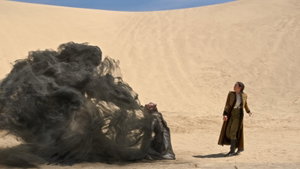
Zoals gezegd, ondanks alle cliché bouwstenen was het een horror van de onderhoudende soort. Een goede tijdsbesteding met de juiste sfeer. Aan begin en eind zien we een raamvertelling, een tocht in de woestijn die dreigt slecht af te lopen, waarvan waarbij ik me afvraag of die iets toevoegt. Maar met een schrijver als hoofdpersoon die gewend is dat soort verhalen te verzinnen, kun je van alles verwachten.
SCORE 1/10. Ik zie helemaal niets positiefs in deze film. Met liefde heeft het al weinig te maken, hooguit met wegnemen van eenzaamheid, wat toch iets heel anders is. De uitdrukking “gaat over lijken” om een doel te bereiken, krijgt in dit verhaal een eigen speciale betekenis.
In het bekende Frankenstein verhaal waar deze film naar knipoogt, wordt tenminste nog geprobeerd om de wetten van de fysica te eerbiedigen, ondanks dat daarin ook behoorlijk wat grenzen worden verlegd. Deze film doet niet eens moeite om bij de realiteit te blijven (afvangen van bliksem op de manier die hier wordt gepraktiseerd, moet ik sterk ontraden).
Om zeer onduidelijke redenen heb ik de hele filmlengte uitgezeten, in de hoop dat er iets zou gebeuren om het toch een positieve draai te geven. Dat de verwikkelingen onmogelijk en niet realistisch zouden zijn, had ik op gerekend. Dat is te accepteren als ik tenminste nog een moraal of een boodschap mee naar huis kan nemen. In dit geval sta ik met lege handen. Zelfs geen sympathiek hoofdpersoon in wiens situatie ik kan meeleven.
SCORE 8/10. In mijn leven heb ik al meerdere VvE (Vereniging van Eigenaren) vergaderingen bijgewoond, maar zo extreem als deze is wel erg uitzonderlijk. Nu is het natuurlijk bedoeld als satire, een vooraf bedachte smeltkroes van wat er mis kan gaan op zo’n vergadering. Zet verschillende soorten mensen met allemaal andere achtergronden en tegenstrijdige belangen bij elkaar, en je hebt gegarandeerd hommeles. Wat de een benoemt als overlast, vindt een ander “moet kunnen” gezellig. Wat de een omschrijft als een redelijk bedrag, is voor een ander onmogelijk op te brengen. Elkaars fouten verbeteren en belerend toespreken is ook al weinig bevorderlijk voor een soepel lopende vergadering. Maar ondanks alle gekrakeel moet er wel een agenda worden afgewerkt, en zijn er besluiten te nemen en te notuleren, want dat eist de wet.
Drie schrijvers met de regisseur samen zijn er goed in geslaagd om al die aspecten helder in beeld te brengen. Ze weten anderhalf uur te vullen met steeds weer verrassende ontwikkelingen. En het is gelukkig niet altijd dezelfde die ten prooi valt aan hij/zij-clichés die niets te maken hebben met het agendapunt van dat moment, maar er met de haren worden bijgesleept om de ander af te schilderen als onwetend, partijdig, of anderszins niet meewerkend. De schrijvers zijn erg creatief geweest om een assortiment van dat soort situaties te laten zien, met genoeg afwisseling om niet repetitief te zijn. En zo weten ze dus ons steeds te verrassen.
Ik vind vooral de afloop heel mooi. Typisch een voorbeeld van “Boontje komt om zijn loontje.” Maar ik ga er verder niets over zeggen. De hoofdmoot van deze film is immers het grote aantal verrassende wendingen. Erg vaak wisselt wie het oneens is met wie, dus welke vergaderaar(s) uiteindelijk aan het kortste eind trekken, laat ik ook graag in het midden.
SCORE 7/10. Meestal probeer ik coming-of-age films te vermijden, maar de synopsis van deze had toch iets bijzonders, anders dan het gebruikelijke rond populariteit, parties, kleding en dergelijke. En mijn gok pakte goed uit. Deze jongeren hebben al meer dan gemiddeld meegemaakt met medische onderzoeken en behandelingen, en daarmee hebben ze andere prioriteiten in het leven dan hun leeftijdsgenoten. Daar komt bij dat kanker kan blijven sluimeren en weer terugkomen. Hun horizon is veranderd en zijn daarmee misschien ook eerder (bijna) volwassen, maar toch nog wel druk met verliefdheid en “de eerste keer”.
Veel van de jongeren op het kamp komen hier al vele jaren, evenals hun begeleiders die dit ook al jaren doen. Onze hoofdpersoon Ivy is nieuw en komt met frisse tegenzin. De continu opgewekte, positiviteit uitstralende begeleiders werken haar op de zenuwen, en zij maakt meteen naam op de eerste avond door recalcitrant gedrag. Een gesprek met de kampleiding, door Ivy ervan beschuldigd een “pedo wall” aan de muur te hebben, maakt het er niet beter op. Werk voor de in het kamp ook aanwezige “consulent”. Gelukkig wordt ze wel snel in een groep opgenomen, waarmee het verhaal zich verder ontwikkelt.
De leden van die groep leren we stuk voor stuk kennen. Maar ook de kampleiding met zijn vermeende “pedo wall”, heeft zijn verhaal daarbij en blijkt meer inhoud te hebben dan we eerst dachten. Genoeg kleine en grote voorvallen om ons bezig te houden. Niet alles maakt ons even blij overigens, maar er is geen enkele reden om de filmzaal depri te verlaten. Bewonderenswaardig is de manier waarop de filmmakers erin zijn geslaagd om een onderhoudend verhaal te maken, zij het dan wel met de nodige ups en downs omdat het niet met alle jongeren even goed gaat. Ook de begeleiders hebben hier en daar een onverwachte rol in het geheel. Daarmee is in elk geval de broodnodige afwisseling gegarandeerd.
SCORE 8/10. Deels gênant en deels hilarisch, en dat afwisselend gedurende de hele looptijd met grote aantallen onverwachte wendingen. Start een beetje depri met een uitgeblust echtpaar dat nog wel samenwoont, moeite heeft met de communicatie en verder niet veel meer heeft samen, maar uit elkaar gaan is ingewikkeld en ook een soort afgang. Boven hen woont een echtpaar dat nogal luidruchtig tekeergaat in de nachtelijke uren, kennelijk hun tegenpolen, en die zijn uitgenodigd voor een etentje om over die geluidshinder te praten in een vriendelijke sfeer. Verder valt er niet veel over te zeggen, want de ene verrassende ontwikkeling volgt op de andere, te veel en te gevarieerd om in een paar alinea’s over te vertellen. De hele film leunt op vier sterke acteurs, en vindt plaats in een en hetzelfde appartement.
SCORE 4/10. Pretentieloze road-trip langs diverse horeca als mijlpalen. Met twee berooide ex-oplichters die hun vroegere verdiensten over de balk gegooid hebben en geen nieuwe bron van inkomsten hebben kunnen vinden. Zij nemen een architectuur student op sleeptouw, die zorgt voor het broodnodige contrast en enkele verrassende verhaalwendingen. Eigenlijk zijn de twee op weg naar het vliegveld om hun vroegere partner-in-crime af te halen, in de hoop dat die misschien nog weet waar ze jaren geleden een deel van de buit hebben verborgen.
Voor mij is het allemaal erg teleurstellend. Dit verhaal mag dan wel ergens vandaan komen, maar het gaat uiteindelijk nergens heen. Het is misschien onderhoudend als je ervoor in de stemming bent. Het is toch niet echt boeiend, omdat de hoofdpersonen te extreem verwijderd zijn van ons als gemiddelde burger. Er gebeurt wel steeds wat, waardoor het uitzitten van ruim anderhalf uur goed te doen is. Kortom, een tegenvaller maar geen zeperd waar je halverwege (of nog eerder) uit wegloopt.
SCORE 9/10. Op het eerste gezicht een ongeloofwaardig verhaal, echter wel “based on true events”. Ook krijgen we uitleg van een psycholoog verderop in het verhaal, hoe dit toch kan gebeuren en hoe het geheugen van de vader iets heel anders vastlegt dan hoe het werkelijk ging. Dit is overigens geen documentaire met “talking heads” deskundologen, maar een realistisch gezinsleven bevolkt met gewone mensen. Regisseur/schrijvers en de twee hoofdpersonen zijn hierin bepalend, en tillen het uit boven de tranentrekker die bij een dergelijk familiedrama op de loer ligt. Vooraf was ik een beetje bezorgd hoe deze film zou uitpakken. Hoe kun je een verhaal maken over een dergelijk fataal voorval, waarin je de dood van je eigen tweejarig kind veroorzaakt?? Het was immers geen ongeluk, want dat kan iedereen overkomen, maar dood door eigen schuld. Je kunt niet anderhalf uur vullen met spijt betuigen, ruzie maken en elkaar van alles verwijten. Deze film slaagt er toch in om tot een boeiend verhaal te komen met onverwachte ontwikkelingen. Het eerste halfuur toont een normaal gezinsleven met vader, moeder en een kind van twee jaar oud. Beide ouders hebben bezigheden buitenshuis en brengen daarom hun kind naar de dagopvang. Druk druk druk dat eerste halfuur, waarbij de ouders elkaar ook nog opzadelen met boodschappen voor later die dag. Verder geen vuiltje aan de lucht, geen onderhuidse spanningen of ander ongenoegen. We “zien” zelfs hoe het kind wordt afgeleverd bij de dagopvang. Daarna rijdt de vader naar zijn werk. Die dag zijn er allerlei spannende gebeurtenissen omdat het bedrijf op de rand van faillissement staat. Ondanks dat belt zijn vrouw hem regelmatig op het werk over relatief-triviale huishoudelijke zaken. Aan het eind van de werkdag krijgt hij een panisch telefoontje van zijn vrouw. Die wilde het kind ophalen bij de dagopvang, maar hoort dat het daar nooit is aangekomen. Over het vervolg vertel ik niets. Dat moet je zelf ervaren, want het zal je verrassen. Er is natuurlijk veel spijt, boosheid, er zijn verwijten, en er komt een rechtszaak met een vijandige aanklager die vijf jaar gevangenis eist. Maar verhaaltechnisch loopt het gelukkig heel anders dan ik had gevreesd. Regisseur/schrijver en beide hoofdpersonen zijn er goed in geslaagd om het verhaal een boeiende draai te geven. Er zijn zelfs meerdere onverwachte wendingen, zonder geloofwaardigheid in te leveren.
SCORE 6/10. Anders dan vele critici vind ik de eerste helft matig, en heb ik moeten wachten tot de tweede helft die pas inhoudelijk ergens over ging. In de eerste helft van de film zie we Jimpa die overal een mening over heeft en anderen nauwelijks de kans geeft om iets in te brengen. Zijn dochter Hannah is bezig als filmmaker en wil daar steeds iets over vertellen, temeer omdat die film ook over Jimpa gaat, maar ziet weinig kans daartoe. En weer een generatie verder hebben we non-binaire tiener Frances, die vooral vragende en zoekende is, maar ook weinig kans krijgt er open over te praten. En om die drie hoofdpersonen heen zwermt een bonte collectie mensen met allemaal hun eigen voorgeschiedenis, meningen en dilemma’s. Veel sociale interactie en veel onbeantwoorde vragen die blijven zweven. Niet mijn soort film dus. In de tweede helft begint het pas interessant te worden, na een beroerte van Jimpa, die daarna alleen nog maar op ja/nee niveau kan communiceren. Alle verhoudingen gaan daarmee veranderen. Iedereen moet zijn/haar eigen weg zoeken om met de nieuwe situatie om te gaan. Kan de voorheen interactieve Jimpa wel verder met zijn leven, en hoe zinvol is ermee door te willen gaan. Voor zowel Hannah als Francis ontstaat er veel meer ruimte om hun weg te zoeken en duidelijk te zijn in wat ze eigenlijk graag willen. Jammer dat ik eerst bijna een uur door drukke sociale interactie heen heb moeten ploegen, terwijl er toch veel onuitgesproken en onbeantwoord bleef. Pas een uur later werd het inhoudelijk interessant. Dat veel critici schreven dat de film in de tweede helft inzakte, laat ik maar passeren. Misschien heb ik het allemaal niet begrepen.
SCORE 2/10. Dit had satire kunnen zijn over de opgeblazen nadruk op uiterlijkheden, zoals biceps en sixpack, evenals internet helden met miljoenen volgers die zich dus belangrijk wanen. Helaas is de humor weinig subtiel en het aantal clichés is overdadig. Veel mensen zullen een nieuw woord leren, te weten prostaat orgasme. Dat zal het enige zijn wat ze mee naar huis nemen, want de rest is allemaal erg stereotype en dat wist de gemiddelde kijker allang. De hoofdpersonen staan weliswaar vol met kleur getekend op het scherm, maar als karakters toch redelijk kleurloos ingevuld. Daar was meer uit te halen geweest.
SCORE 7/10. Aanvankelijk dacht ik dat dit een nieuwe en verbeterde versie zou zijn van Exit 8 (Genki Kawamura, 2025), waarin een man vastzit in een ondergronds doolhof. Die film begint veelbelovend, maar wordt gaandeweg repetitief en eentonig doordat wezenlijke ontwikkelingen uitblijven. Deze film daarentegen komt meteen goed op gang en weet dat tempo minstens het eerste uur vast te houden. En nog voordat ook hier de verveling kon toeslaan, wordt een extra verhaallijn geïntroduceerd waarin de therapeute zelf op onderzoek uitgaat. Dat maakt het geheel een stuk interessanter en voorkomt dat het verhaal langzaam doodbloedt. In de semi-finale is de cirkel rond wanneer patiënt en therapeute hun oorspronkelijke rollen hervinden, zij het niet helemaal vrijwillig en minder ontspannen dan bij de therapeute op de divan. Pas daarna kom er een echte finale, waarbij ik de logica van de gebeurtenissen kwijtraakte. Er lijkt ineens een overkoepelend verhaal te worden geïntroduceerd: als het ware een doolhof rondom een doolhof. Misschien heb ik daar iets gemist, maar dat bedoel ik niet als kritiek. Die nieuwe laag hield het algehele mysterie juist overeind. Ik kan me goed voorstellen dat hierin de oorzaak ligt van de verdeelde reacties op deze film, zoals ik die elders lees. Ik had de gelegenheid om de film twee keer te zien. Bij de tweede kijkbeurt herkende ik ineens allerlei “ingeworpen” fragmenten die mij de eerste keer volledig willekeurig leken. Destijds schonk ik er nauwelijks aandacht aan, omdat ze kort waren en geen duidelijke relatie leken te hebben met de hoofdstroom van dat moment. Nu ik weet hoe de film eindigt, begreep ik dat deze ogenschijnlijk losse tussen-scènes heel bewust door de makers zijn geplaatst. Toch betwijfel ik of veel kijkers ze zullen herkennen als betekenisvolle aanwijzingen die vooruitwijzen naar wat nog gaat komen. Misschien is het een typisch geval van parels voor de zwijnen. Ik vermoed dat slechts een klein deel van het publiek deze subtiele hints zal opmerken en waarderen. Een kleine tip voor wie de film voor het eerst gaat zien: let eens goed op het meubilair: er klopt iets nét niet, bijvoorbeeld stoelen met ongelijke poten. Natuurlijke proporties raken meer een meer zoek. Maar ik ga verder niets verklappen hoe het afloopt, en zeker niet waarom, want echt begrijpen doe ik het nog steeds niet.
SCORE 7/10. Meer dan genoeg aardige momenten, ook amusante ondanks het Horror label. Het telefoongesprek bijvoorbeeld met de “One Wish Willow” producent is hilarisch maar ook weinig hoopgevend. De aanhankelijke obsessie van Nikki richting Bear vind ik overdreven vormgegeven, in die mate dat haar psychotisch gedrag storend werkt en afbreuk doet aan de kern van het verhaal. Er zit een suggestie van Jekyll en Hyde in haar gedrag, waar ik wat moeite mee heb. Hoofdpersonen Bear en Nikki zijn nadrukkelijk aanwezig in bijna alle scenes. Helaas is de rest van de cast redelijk kleurloos, eerder entourage dan het totaal verrijkend. Het basisgegeven van het verhaal is prima en bevat een stevige moraal. Denk aan koning Midas uit de Griekse mythologie, die ondoordacht een wens had uitgesproken dat alles wat hij aanraakte in goud zou veranderen. Veel traditionele sprookjes kennen een soortgelijk gegeven, die allemaal laten zien dat je drie wensen nodig hebt, waarvan de tweede en derde dienen om de gevolgen van de eerste wens ongedaan te maken. De hoofdpersoon in deze film kent zelfs deze ontsnapping niet en moet andere uitwegen zoeken.
SCORE 4/10. Het verhaal vind ik niet echt boeiend. Ik moest mezelf ertoe zetten om te blijven kijken. Erger is dat ik de meeste “enge” scenes helemaal niet eng vond. En ook met de logica in de ontwikkelingen die ons worden voorgeschoteld, had ik moeite. Ook weinig spanning hoe het verder zou gaan.
Dit lijkt op exploitatie van hedendaagse trends rond afvallen, denk aan bijv. Ozempic. Belangrijk verschil is hier wel dat het middel niet uit een fabriek komt maar illegaal wordt gewonnen uit kadavers die in de snijzaal worden gebruikt als studiemateriaal voor een medische opleiding. En bij een van die kadavers hoort een verleden. Extra verhaallijnen gaan over de vader en de moeder (wonen gescheiden) van onze hoofdpersoon.
Ik vond het allemaal een beetje bij elkaar gezocht, wellicht om herkenbaarheid bij het potentiele publiek te bevorderen. Mogelijk ook met de bedoeling om een sociale boodschap uit te dragen, namelijk dat alle nadruk op lichamelijke aantrekkelijkheid leidt tot niets zinvols. Voor mij was het oud nieuws. Wel nieuw was een film cast met een vrouwenoverschot, iets wat je zelden ziet. Het enige positieve dat ik nog concludeer is dat er genoeg afwisseling in het verloop zat om het helemaal uit te kijken tot het einde, maar dat vergt wat goede wil.
SCORE 3/10. Vooraf de synopsis gelezen. Iets over verhaallijnen die eeuwen en landen omspannen en waarin diverse vrouwen voorkomen. Verder begon ik met een afwachtende houding. Het eerste verhaal met het dienstmeisje in een lang vervlogen tijd was relatief snel voorbij, en ging eigenlijk nergens over. Hoewel de nadrukkelijk zichtbare rode kersen leken te verwijzen naar iets wat later nog ergens verband mee zou houden. Het vervolg speelt in onze tijd rond een niet erg capabele serveerster. Het kabbelt aardig voort maar ik zag er niets substantieels in. Weinig wat uitnodigt om verder te kijken. Dat was onveranderd op 0:40 (ik keek op mijn horloge, verdacht, maar dat terzijde). Behalve een “geleende” auto (ook rood!) van de buurman, gebeurt er niets opmerkelijks. Toch zitten we al bijna op de helft van de looptijd. Eindelijk, op 0:50 zien we de Youtuber met de gebroken arm (aangekondigd in synopsis; onterecht gedacht dat het een man was; hoe fout van mij??). Nadat haar defecte auto (niet rood) is weggesleept, gaat de Youtuber te voet verder en kabbelt de film weer door. Na 1 uur was ik in dubio. Nog een half uur te gaan… Hoe vreselijk kan het zijn om het uit te zitten, en dan misschien zien hoe het geheel in elkaar past?? Ik laat me graag verrassen. Af en toe kwam er een blauwgroene steen in beeld. Het zou teleurstellend zijn als dat het enige bindende element is. De genoemde “geleende” rode auto die de buurman als gestolen had gemeld, was wel aanleiding om met zijn allen te schuilen in een ondergrondse grot. Duisternis alom. Er kan van alles gaan gebeuren. Helaas, dat bijna-einde levert niets op dat het voorafgaande kan verklaren. Natuurlijk kwamen de vrouwen die we eerder zagen, samen in de finale scenes. Maar het was zonder doel en zonder een verklaring over mogelijke verbindingen. Het dienstmeisje uit het eerste verhaal zei dat ze de over-over(…)grootmoeder was van de ander, hetgeen lijkt iets te gaan onthullen. Maar verder gaat het uit als een nachtkaars. Er is wel ineens een koffieautomaat in de grot, en er lijkt ook een gang te zijn naar een naburig museum. Net genoeg hints om door te gaan met kijken, hopend op iets spannends. Uiteindelijk blijft de vraag: Wàs er wel een verhaal om de schaarse bindende elementen te verklaren, zoals rode kersen en blauwgroene stenen die duidelijk in beeld kwamen tussen begin en eind, steeds de suggestie wekkend dat er iets bijzonders mee is. Het loopt allemaal af met een sisser en betekent niets (voor mij, althans). Paarlen voor de zwijnen, en ben ik dan het zwijn??
SCORE 6/10. Gezien bij IDFA 2025. Ik moest wachten tot het laatste half uur voordat het interessant werd (wat heel persoonlijk kan zijn; verklaar ik later). Mijn interesse werd gewekt vanaf het moment dat de rol van de media werd besproken, als een van de weinige beschermingen tegen totalitaire krachten zoals we die overal om ons heen zien groeien. Mogelijk ben ik “gehinderd” door de IDFA‑week voorafgaand aan deze vertoning, omdat ik het eerste anderhalf uur voelde als herhaling van wat ik al had gezien. Of misschien heb ik in mijn vorige baan als security consultant al te veel gelezen over privacy. Hoe dan ook, dat is niet de schuld van de film, maar voor mij voelde het toch als déjà vu. Het is heel goed mogelijk dat deze documentaire wél werkt voor mensen die minder thuis zijn in privacy kwesties en die propaganda niet herkennen op de plekken waar ik het overal zie. Er woeden wereldwijd verschillende informatieoorlogen, of het nu gaat om Israël‑Gaza “zelfverdediging”, of Rusland‑Oekraïne “denazificatie”, of vele andere voorbeelden. En in de binnenlandse politiek is het een van de drijvende krachten, waarbij de waarheid wordt opgeofferd door spindoctors en consorten, en ophef belangrijker wordt geacht dan pure feiten. Deze documentaire is een aantrekkelijke manier om bewustwording te creëren. Kan deze documentaire een poging zijn om hedendaagse totalitaire bewegingen te exploiteren, zoals die bijvoorbeeld zichtbaar zijn in de binnenlandse politiek van VS/China/Rusland? Wat 1984 liet zien, was juist dat het dagelijks leven in de film 24/7 werd gecontroleerd. Mensen wisten dat ze werden bekeken en beïnvloed, maar er was geen ontsnappen aan omdat het geïnstitutionaliseerd was. Tegenwoordig is er niemand die openlijk de massa’s volpropt met de visies van Trump, Poetin en de hunnen, immers we zijn “vrij” zijn om ernaar te luisteren of het te negeren. Maar zelf-censurerende media en sociale netwerken met hun algoritmen en influencers werken heimelijk op ons in, veel meer dan we ooit zullen toegeven. In dat opzicht waren eerdere films die ik tijdens IDFA zag over onderzoeksjournalistiek veel belangrijker en relevanter, al waren ze minder aantrekkelijk dan deze.
SCORE 8/10. Gezien bij IDFA 2025. De documentaire bestrijkt vele jaren onderzoeksjournalistiek en toont talloze spraakmakende zaken. De royale speelduur van twee uur biedt veel ruimte voor zowel beeld- als foto-beeldmateriaal, waardoor de kijker al snel buiten adem raakt. Dat overkwam mij in ieder geval. Het noemen van al die namen en het tonen van zoveel fragmenten en foto's zou meer tijd hebben gekost om alles te verwerken, tijd die we niet kregen door de snelle presentatie van feiten en cijfers. In tegenstelling tot mensen in de VS had ik in dit tempo moeite om de meeste gezichten te herkennen, behalve (uiteraard) Johnson, Kissinger, Nixon, enz., die ook in Europa in het nieuws waren. Zijn invloed is duidelijk, zelfs nadat ik de helft van de foto's/fragmenten en de interviews over het materiaal waar hij bij betrokken was, had gezien.
SCORE 6/10. Heb niet het einde gehaald maar toch redelijk ver gekomen (op 2/3) bij het doorploegen van de goede, lelijke en slechte grapjes, onrealistische situaties, en andere goedbedoelde halve nonsens. Mogelijk geschreven als satire op de Engelse adel, denk aan P G Wodehouse, maar voor dat doel is het niet scherp genoeg en is het mengsel karakters te vergezocht, te kunstmatig opgebouwd, met het enige doel om een maximaal aantal grappen per strekkende minuut af te leveren. Ik stapte eruit toen politie-inspecteur Watt werd voorgesteld aan de verzameling familie plus personeel, waarna iedereen zich afvroeg wat de achternaam van de inspecteur was. Dat is precies wat ik eerder bedoelde met gezochte constructies om een grapje te maken.
SCORE 4/10. Een deel van de tijd veelbelovend maar leverde uiteindelijk weinig. Het duurde een uur voordat er iets angstwekkends gebeurt. De podcast die gedurende de looptijd werd samengesteld, leek een mooie vondst om ons door een aantal tapes te leiden die waren ontvangen door de podcast makers. Maar de toevallige links tussen die tapes en Evy’s eigen leven, gingen langs me en voelde ik niet in mee. Anderzijds, de film slaagde erin om me te laten wachten tot er iets interessants zou gebeuren, en het was een prestatie op zichzelf dat het me weerhield van weglopen. Is dat de atmosfeer rond Evy alleen in een huis met donkere hoeken en alleen een paar schemerlampen aan? Is dat het samenwonen met een bijna-overleden moeder op de eerste etage, waarbij we ons steeds afvragen wat of wie de oorzaak is van de soms-lopende wastafelkraan. Er waren voldoende bouwstenen voor een mysterieuze plot, maar het resultaat had niet het niveau waarop ik had gehoopt.
SCORE 2/10. Gezien bij het IMAGINE film festival 2025 in Amsterdam. Ik kan hier helemaal niks mee. Is dit een James Bond 007 parodie?? Zoniet, wat is het dan?? Wat het ook bedoelt te zijn: het is repeterend en monotoon. Er is geen spanning, en zelfs geen verhaal, tenminste geen wat ik kon bespeuren. Pluspunt: deze nietsigheid is wel mooi in beeld gebracht, mooie decors, iedereen is goed aangekleed en ziet er verder goed uit.
SCORE 9/10. Seen at the IMAGINE film festival 2025 in Amsterdam. Messy environment and messy situation. Great achievement in making an entertaining and tense story out of the apparent meager ingredients. It succeeds in keeping our attention from start to finish. Variations in developments, most totally unexpected and original. Lots of yelling and shouting in the confined space. Unmitigated violence by the bar owner, but also an unexpected killing by the seemingly powerless victim of circumstances. More surprises along the way, more than I can condense in a few sentences. Watch it for yourself.
SCORE 9/10. Gezien bij het Imagine filmfestival 2025 in Amsterdam. Inderdaad, wat bijna iedereen erover schrijft, een klassieke horror met alle bekende en nodige ingrediënten: romantiek, gedreven wetenschappers, wat humor, onverwachte wendingen, bloed spetters, enzovoort. Met bouwjaar 1985 onmiskenbaar oud, maar zeker niet overjarig en zeker niet rijp om weg te werpen. Kan er niet veel aan toevoegen zonder te spoiler-en.
Meer nieuws
Netflix Pathé Thuis Disney+ Prime Video CANAL+ NPO Start Apple TV HBO Max Viaplay Videoland Cinetree Film1 CineMember Picl SkyShowtime MUBI
Meer beoordelingenReacties Populaire filmsPopulaire series
Meer populaire films
Meer populaire series